Which list apps have an API and MCP server?
LystBot documents an official REST API and local MCP server, while Google's official Keep API addresses enterprise administrators. For AnyList and OurGroceries, the reviewed evidence establishes community access through the AnyList wrapper and OurGroceries wrapper, without establishing an official public API or official MCP server for either app.
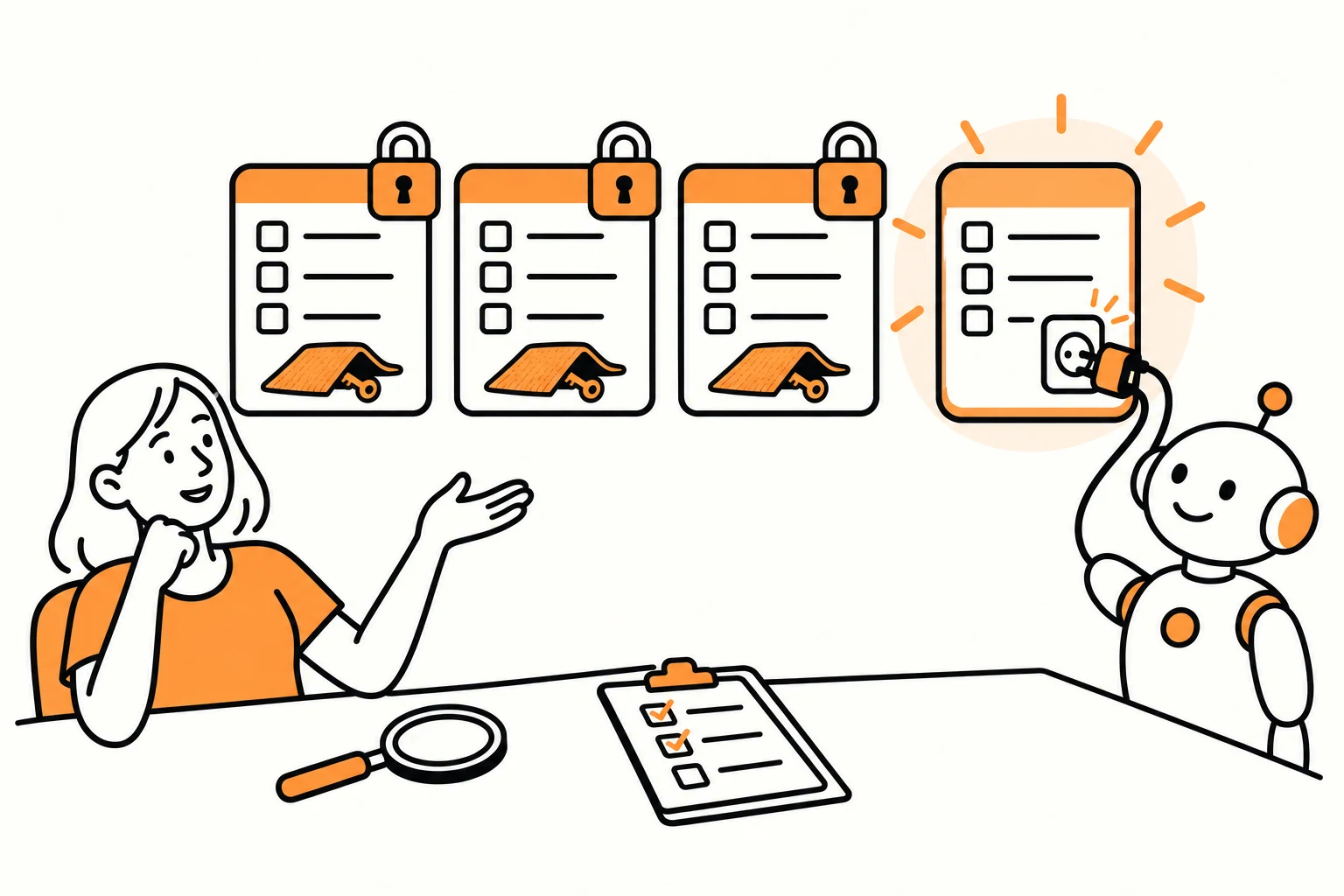
The awkward part of choosing a programmable list app is the word "API." It can mean a published developer interface or the private calls a community project has worked out how to use. A working connector doesn't settle who supports the connection. This mini-study separates those questions and records the credentials each documented route needs.
API and MCP access by app
"Not established" means the reviewed sources don't establish an official interface. It isn't a claim that no such interface could exist. Google Keep has separate rows because its enterprise API documentation doesn't establish access for a personal Gmail account.
The table answers which list apps have an API within this sample. It doesn't rank the apps as shopping companions or evaluate every list product. For a closer look at the individual alternatives, read the AnyList API and MCP guide, OurGroceries integration guide or Google Keep API guide.
Method
Checked on 2026-10-21. The supplied research record covers 24 distinct competitor source URLs and records HTTP 200 for all 24 after redirects. Those results describe source availability on that date. They don't prove that an integration authenticated successfully or changed a real list. This article uses that recorded check; it does not report a separate live integration test.
The source set includes vendor help pages, Google's developer documentation and community project documentation. Each competitor claim links to its supporting source. For example, the AnyList wrapper README documents email-and-password access, while Google's Keep guide describes enterprise administration. Those sources answer different questions, so they receive different labels in the table.
We excluded unsupported claims about Zapier, official competitor ChatGPT or Claude connectors, and a specific OurGroceries price. We also excluded predictions that community connectors will break after app updates: the evidence doesn't establish that outcome. A distinction between official and unofficial software is enough for this comparison; it doesn't need a guessed failure rate.
Voice integrations weren't counted as public APIs or MCP servers. AnyList's Siri instructions describe adding list items by voice. OurGroceries' user guide documents voice access too. Neither source establishes a general developer interface. We also kept Google's Gemini connection separate from its documented MCP server coverage. A supported assistant workflow doesn't by itself establish an MCP server.
LystBot facts come from this repository's agent page, developer documentation and README, separately from the 24 competitor URLs. The agent page documents the current connection details. We haven't used the README's older project concept as evidence for claims about competitors.
What this means for AI agents
Start with the job you need done. A scheduled program that reads a list can use HTTP directly. A conversational assistant may need an MCP client that can launch the documented server. Decide that before choosing a connector: "has MCP" leaves the transport question unanswered.
LystBot's MCP documentation says the server runs locally over stdio with npx lystbot mcp. It has 26 tools and uses the same API key as the CLI and REST API. There is no hosted MCP URL. If your client only accepts remote URLs, check the REST route instead. Our Claude Code setup guide walks through the local process.
Credentials deserve a separate decision. The AnyList mplabs connector requests the AnyList email and password. The OurGroceries MCP login asks for email and password, then stores an authentication cookie and team ID. Read the chosen project's instructions before deciding where to run it and who can read its configuration. These are specific login requirements, not evidence that all community software behaves alike.
Google Keep needs particular care here. The keep-mcp documentation says its Google master token has full account access. That is a broader credential to evaluate than a connector name suggests. The official enterprise setup describes a service account instead. Don't substitute one authentication route for the other just because both can appear in searches for a Keep API.
For any trial, choose a small list whose contents you can inspect. First read it. Then request one recognizable addition and read the list again. Open the app and check that the item reached the intended list. If the tool reports an authentication failure, stop the write attempt and fix access first. An assistant's sentence saying it completed a task isn't evidence of a saved change.
I would make that read-back check a condition of choosing a connector. It catches a more immediate problem than a long feature comparison: can this setup make the intended change where you expect it? For the wider assistant choice, the AI to-do list comparison separates workflows by the connection they need.
FAQ
Which list apps with MCP server support are official in this study?
LystBot documents its own local MCP server. The reviewed AnyList MCP project and OurGroceries MCP project establish community routes. Keep is absent from Google's documented Workspace MCP service list. These findings apply to this sample and source set.
Can a personal Gmail account use the official Google Keep API?
The reviewed official guide addresses enterprise administrators and doesn't establish a personal-account API route. Google's Gemini help page documents a separate way to create and show Keep notes and lists, with Google Workspace connected to Gemini Apps. Check that workflow separately from API access.
Should I move my existing lists to get an API?
Try the required operation before deciding. A documented connection may still be a poor fit for the client you use or the credential you are willing to store. Copy a few active items manually for a trial, keep the original available, and agree which list people should use. This study establishes no automatic migration or cross-app synchronization.